Introduction
Artificial Intelligence (AI) has revolutionized industries, enabling advancements in healthcare, finance, transportation, and beyond. However, despite its transformative potential, many AI systems operate as “black boxes”, meaning their internal decision-making processes remain opaque. This lack of transparency raises pressing concerns about fairness, accountability, and trust in AI.
Explainable AI (XAI) addresses these challenges by making AI systems more interpretable and their decisions more understandable. In this blog, we’ll delve into the evolution of XAI, explore its key concepts and methods, analyze real-world applications, and consider the challenges it faces as it moves toward widespread adoption.
What is Explainable AI (XAI)?
Explainable AI (XAI) refers to a set of techniques, tools, and methods designed to make the decision-making processes of AI models transparent and comprehensible. Unlike traditional machine learning models, which often prioritize predictive accuracy over interpretability, XAI strikes a balance between the two.
Key Concepts in XAI
Transparency
Transparency ensures that the decision-making process of an AI system is accessible and visible. For instance, rule-based systems like decision trees are inherently transparent, whereas neural networks often require post-hoc interpretability techniques to make sense of their complex layers.
Interpretability
Interpretability measures how easily a human can understand a model’s predictions or internal mechanics. For example, a simple linear regression model is more interpretable than a deep learning model because its relationships are mathematically explicit.
Trustworthiness
Trust in AI systems is built when users feel confident in their decisions. Trustworthiness is closely linked to transparency and interpretability. For example, a hospital using AI for cancer diagnosis needs to ensure its system explains why a certain tumor is classified as malignant.
These principles form the foundation of XAI, bridging the gap between sophisticated algorithms and human understanding.
Why Does XAI Matter?
AI is increasingly deployed in high-stakes domains where decisions significantly impact people’s lives. Examples include:
Healthcare: AI is used for diagnosing diseases, recommending treatments, and analyzing patient data. Without explainability, physicians may struggle to trust or validate AI-driven recommendations.
Finance: Models decide on loan approvals, fraud detection, and risk assessments. A lack of transparency could lead to unfair credit denials or biased financial practices.
Criminal Justice: Risk assessment algorithms help inform sentencing or parole decisions. If these systems are opaque, they may perpetuate biases, undermining public trust in legal systems.
Risks of Opaque AI
The absence of explainability introduces several risks:
- Ethical Issues: Hidden biases in data can lead to unfair decisions.
- Regulatory Violations: Laws like the EU’s GDPR require explainability for AI decisions affecting individuals.
- Loss of Trust: Users are less likely to adopt AI systems they don’t understand or trust.
Consider a real-world example: In 2020, it was revealed that a healthcare algorithm in the U.S. systematically underestimated the healthcare needs of Black patients. This bias was rooted in historical data and could have been mitigated with better explainability tools.
Tools and Methods in XAI
Several tools and techniques are available to enhance the interpretability of AI systems. These can be broadly categorized into model-agnostic methods (applicable to any model) and model-specific methods (tailored to specific algorithms).
1. SHAP (SHapley Additive Explanations)
SHAP uses concepts from cooperative game theory to assign importance values to features based on their contribution to the model’s predictions. SHAP provides both global explanations (understanding the overall model behavior) and local explanations (analyzing individual predictions).
- Example: For a loan approval model, a SHAP plot might reveal that “income” positively contributes to approval, while “credit history” negatively affects it.
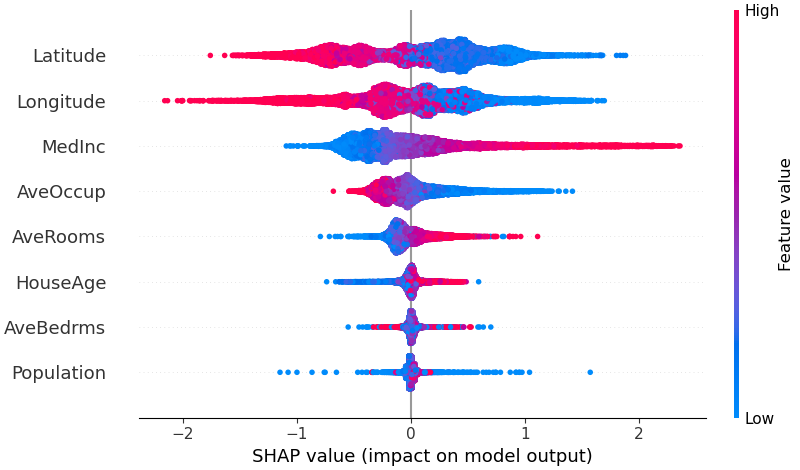
Figure 1: SHAP summary plot showing feature importance and their contributions to model predictions.
2. LIME (Local Interpretable Model-Agnostic Explanations)
LIME approximates a model locally by building an interpretable surrogate model (e.g., linear regression) around a specific prediction. This method is particularly useful for black-box models like neural networks.
- Example: LIME explains why an AI system classifies an email as spam by showing the words most likely to trigger the classification.
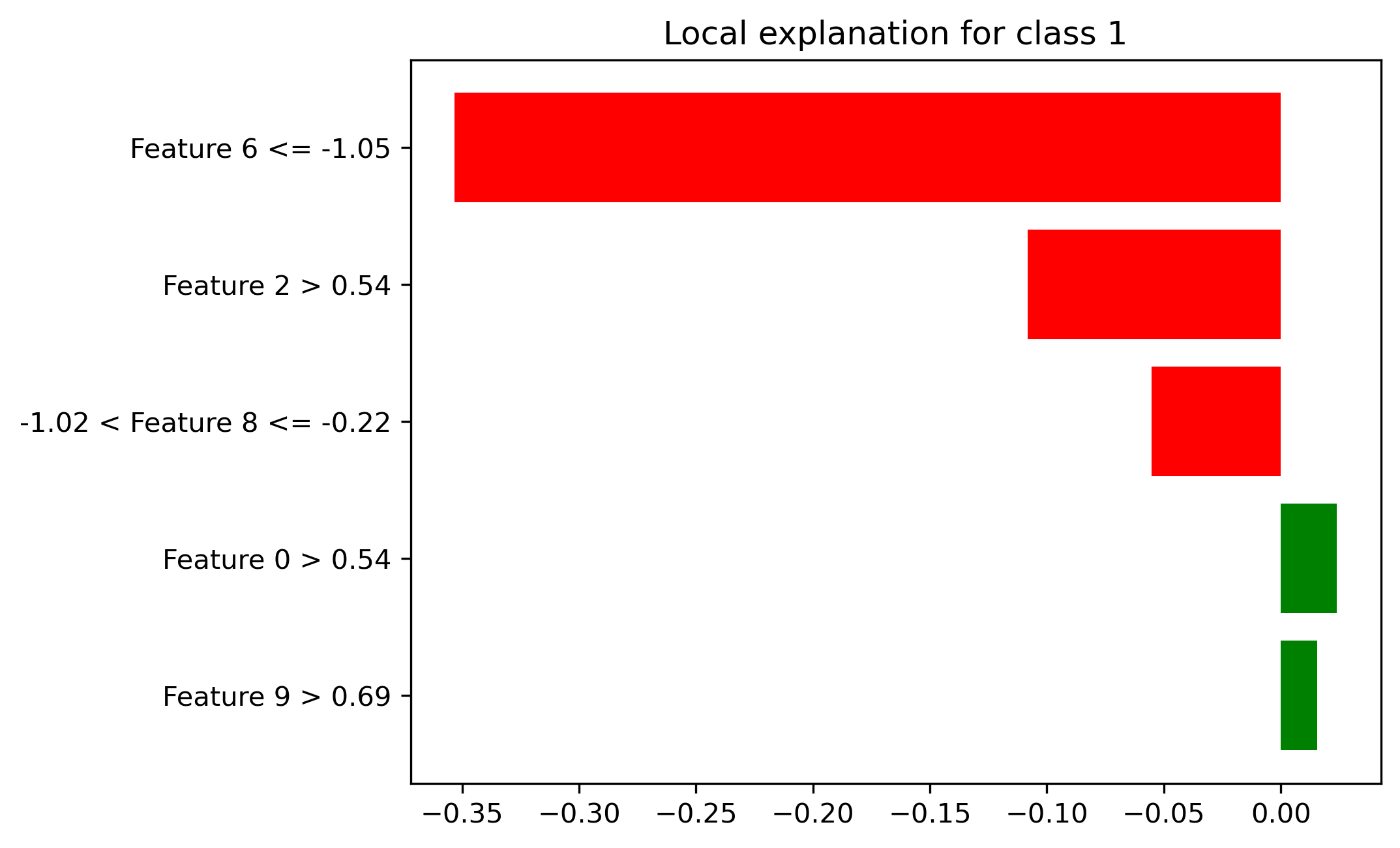
Figure 2: LIME explanation plot highlighting feature contributions to an individual prediction.
3. Feature Importance Visualizations
Many machine learning libraries, such as scikit-learn and XGBoost, include built-in tools to visualize feature importance. These tools help identify the most impactful features in a dataset. In the case of Random Forest, feature importance is derived from the average decrease in impurity across all the decision trees in the forest. This makes it a reliable measure for understanding how different features contribute to the model’s predictions.
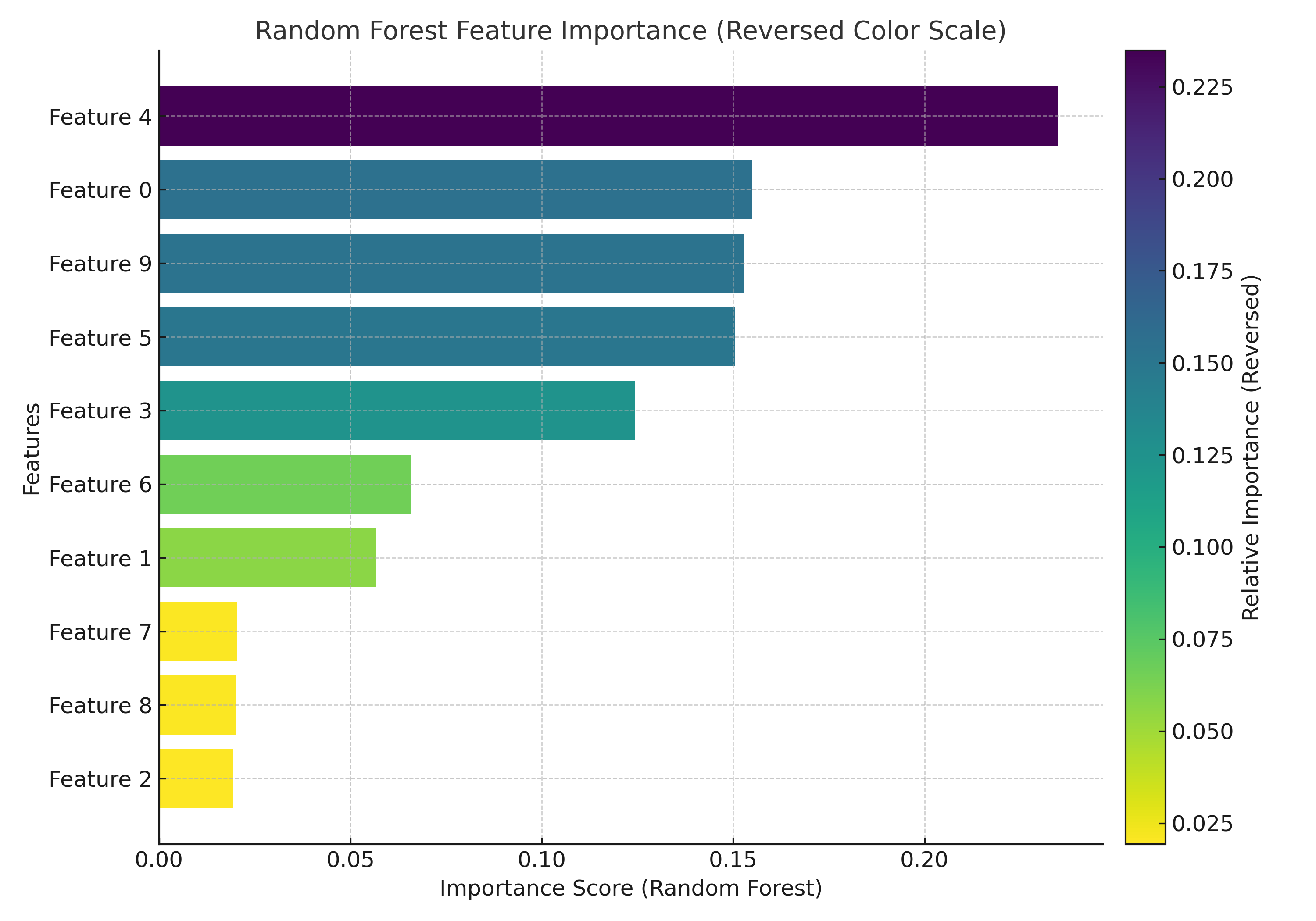
Figure 3: Feature importance plot from a Random Forest Classifier. Each bar represents the average decrease in impurity associated with the corresponding feature.
4. Counterfactual Explanations
Counterfactuals answer “what if” questions, such as: “What changes would result in a different outcome?” These explanations are actionable and help users understand how to achieve a desired result.
- Example: A counterfactual explanation for a rejected loan might suggest increasing income by $5,000 or reducing outstanding debt by 20%.
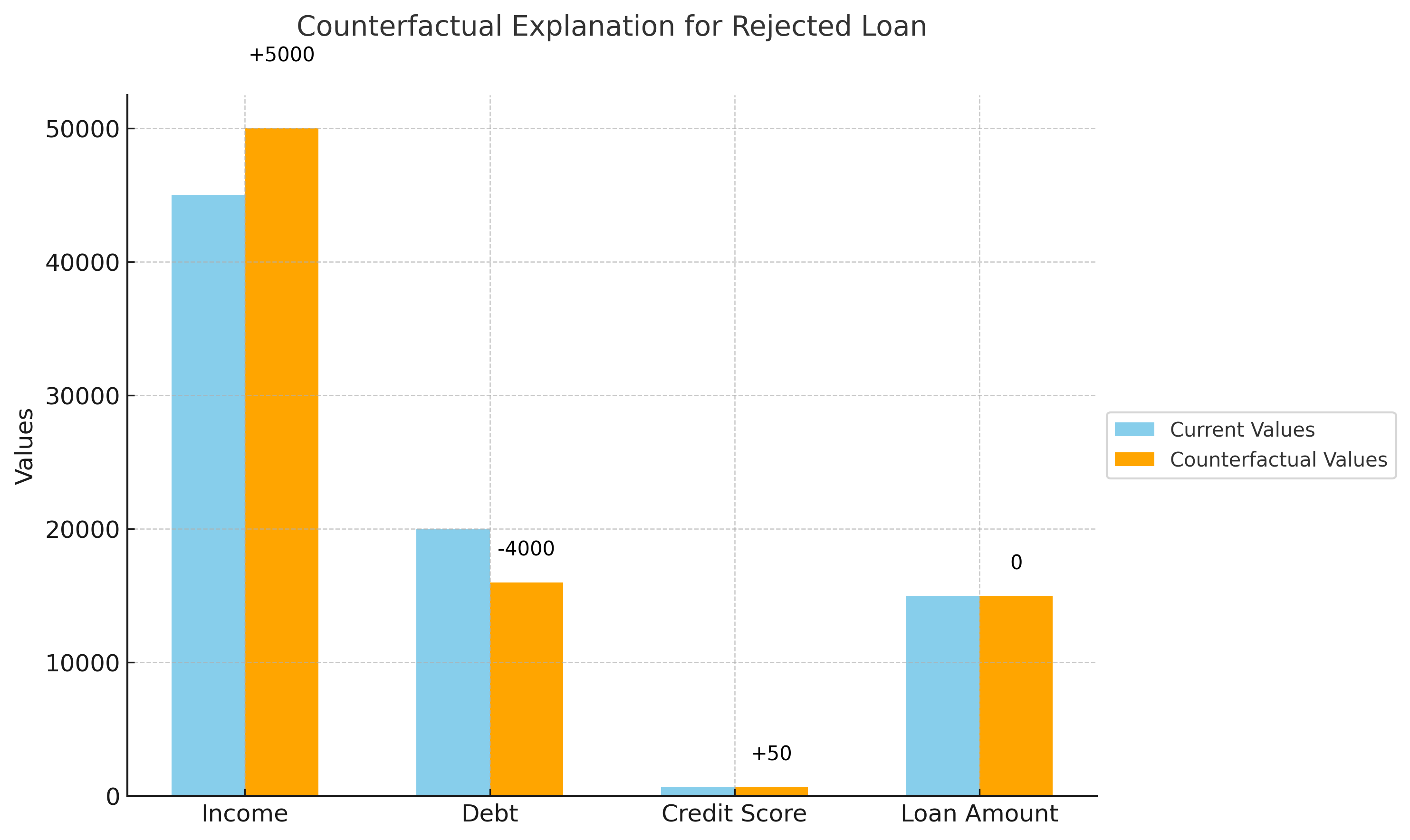
Figure 4: Counterfactual explanation for a rejected loan, comparing current values to desired values to achieve approval.
Applications of XAI in Real-World Scenarios
1. Healthcare
AI-powered diagnostic tools are transforming medicine, but physicians often hesitate to adopt these technologies without clear explanations. XAI can identify key symptoms driving a diagnosis, empowering clinicians to validate and trust AI recommendations.
- Case Study: An XAI-enabled cancer diagnosis tool might highlight specific imaging features contributing to a malignant classification, helping radiologists confirm the results.
2. Finance
XAI plays a crucial role in ensuring fairness and transparency in financial decision-making. Loan applicants denied credit can receive detailed explanations, building trust and reducing disputes.
- Regulatory Compliance: The GDPR mandates that automated decisions affecting individuals must be explainable, making XAI a necessity for European financial institutions.
3. Autonomous Vehicles
Self-driving cars rely on AI for navigation, obstacle detection, and decision-making. XAI can clarify why a vehicle chose a particular route or avoided an obstacle, improving public trust and safety.
Challenges in Implementing XAI
While XAI holds immense promise, its adoption is not without challenges:
1. Accuracy vs. Interpretability
Complex models like deep neural networks often outperform simpler models but are harder to explain. This trade-off forces practitioners to choose between accuracy and interpretability.
2. Scalability
Explaining predictions for large-scale models can be computationally expensive. For instance, generating SHAP values for deep learning models may take hours or require significant computational resources.
3. Audience Diversity
Different stakeholders (e.g., data scientists, executives, end-users) require tailored explanations. A SHAP plot might be intuitive for data scientists but incomprehensible to non-technical users.
4. Evolving Regulations
As governments introduce stricter regulations, organizations face increasing pressure to meet explainability standards. However, the lack of global consistency in these regulations adds complexity.
Future of XAI
The future of XAI depends on overcoming its challenges and embracing new opportunities. Here are some potential developments:
1. Standardization
Establishing industry-wide standards for explainability metrics will enable consistent evaluation and comparison of AI models.
2. Integration with Regulatory Frameworks
Governments are likely to mandate XAI in sensitive domains like healthcare and finance, driving further innovation in this space.
3. Advances in Deep Learning Explainability
Emerging techniques, such as Integrated Gradients and Neuro-Symbolic AI, aim to make deep learning models more interpretable without sacrificing accuracy.
4. Multi-Stakeholder Explanations
Future XAI tools will cater to diverse audiences by offering layered explanations. For instance, a high-level summary for executives and detailed visualizations for data scientists.
Conclusion
Explainable AI is no longer optional—it is a necessity for building trust, ensuring fairness, and achieving regulatory compliance in AI systems. By making AI more interpretable, XAI not only empowers stakeholders but also paves the way for ethical, accountable, and widely adopted AI technologies.
As XAI tools and techniques continue to evolve, their impact will ripple across industries, fostering transparency and trust in the age of intelligent machines.
Thank you for reading! I’d love to hear your thoughts on XAI or answer any questions you may have.
References
Lundberg, S. M., & Lee, S.-I. (2017). A unified approach to interpreting model predictions. Advances in Neural Information Processing Systems (NeurIPS). Read the NeurIPS Paper
Ribeiro, M. T., Singh, S., & Guestrin, C. (2016). “Why should I trust you?”: Explaining the predictions of any classifier. Proceedings of the 22nd ACM SIGKDD International Conference on Knowledge Discovery and Data Mining (KDD ’16). Access the KDD Paper
Ribeiro, M. T. (n.d.). LIME (Local Interpretable Model-agnostic Explanations). Visit the LIME GitHub Repository
Lundberg, S. M. (n.d.). SHAP (SHapley Additive Explanations). Visit the SHAP GitHub Repository